


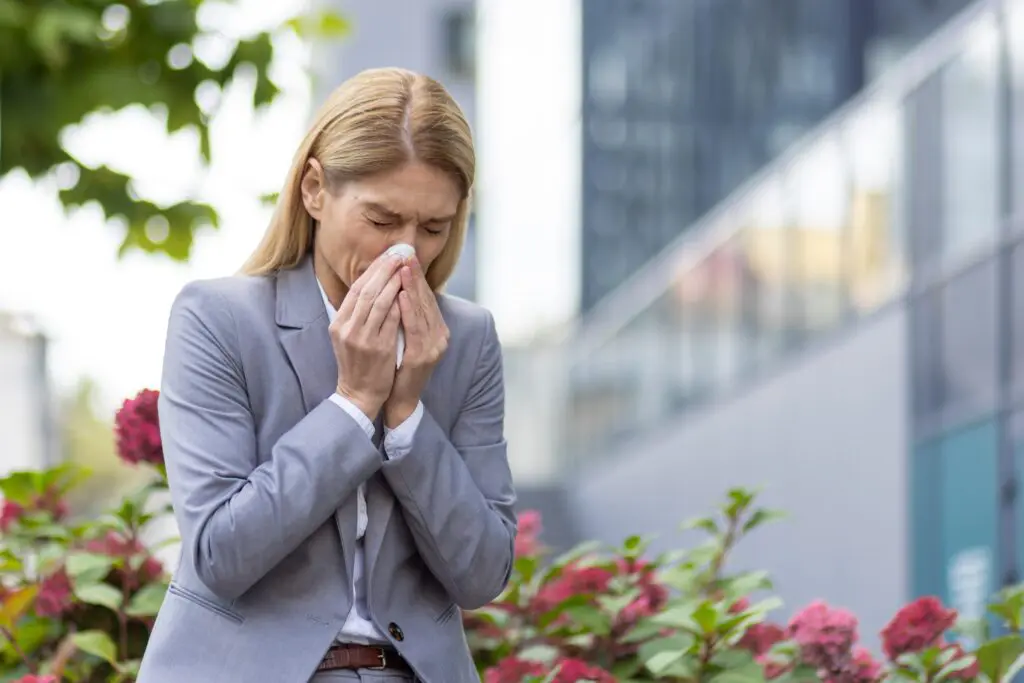
You know the old saying that March is “in like a lion, out like a lamb.” That typically refers to the weather, but it also applies to spring allergy season. If you have bad allergies or they go untreated, though, it may feel like the lion is sticking around for several months.
Whether you’ve had spring allergies for as long as you can remember or you’re trying to figure out if today’s runny nose is allergies or a cold, this post can help you learn more about common allergies, their symptoms, and how you can treat them.
What causes spring allergy symptoms?
The number one contributor to spring allergies is pollen. As trees, grasses, flowers and other seed plants bloom in the spring, they release pollen to reproduce. When people with allergies come into contact with certain kinds of pollen, or allergens, they experience allergic rhinitis (also called hay fever). Allergic rhinitis is our body’s immune system kicking into gear to protect us from allergens.
In spring, most people who suffer from seasonal allergies are reacting to tree pollen from February to April, and grass pollen from April to June. During the spring months, pollen counts, or how much pollen is in the air, can be an indicator of the prevalence and severity of allergic symptoms. The more pollen there is, the more likely people are going to experience allergies. To see the current pollen count in your area, visit the American Academy of Allergy, Asthma & Immunology’s (AAAAI’s) National Allergy Bureau™ (NAB™).
Most common tree allergies:
- Alder
- Ash
- Aspen
- Beech
- Birch
- Box elder
- Cedar
- Cottonwood
- Elm
- Hickory
- Juniper
- Maple
- Mulberry
- Oak
- Olive
- Pecan
- Poplar
- Walnut
- Willow
Most common grass allergies:
- Bahia
- Bermuda
- Fescue
- Johnson
- Kentucky blue
- Orchard
- Rye
- Sweet vernal
- Timothy
What are the most common spring allergy symptoms?
“Rhinitis” means “inflammation of the nose,” so it makes sense that the most common allergy symptoms usually involve our nose:
- Runny or stuffy nose
- Postnasal drip or nasal congestion
- Sneezing
- Itchy nose, eyes, ears, and mouth
- Red and watery or swollen eyes
- Shortness of breath, coughing, and/or wheezing
- Sore throat
- Fatigue – an often-overlooked symptom
Symptom Check: Is it a cold or allergies?
Symptom | Cold | Allergies |
Headache | Rarely | Rarely |
Cough | Sometimes | Sometimes |
Fatigue | Never | Sometimes |
Sneezing | Sometimes | Usually |
Sore throat | Usually | Sometimes |
Runny or stuffy nose | Usually | Usually |
Fever | Rarely | Never |
Nausea or vomiting | Sometimes | Never |
Shortness of breath or trouble breathing | Never | Sometimes |
Diarrhea | Sometimes | Never |
Itchy nose, eyes, ears, and mouth | Rarely | Usually |
Who is most at risk for seasonal allergies?
Seasonal allergies are incredibly common, with 1 out of every 4 American adults experiencing them to some degree. Personal and family history are highly influential in whether or not individuals have allergies. According to the Allergy & Asthma Network, if one parent has allergies, their children are 30-50% more likely to experience them. If both parents have allergies, though, their children are 60-80% more likely to have allergies.
Asthma patients are highly prone to allergies, as more than 80% of asthma patients also have allergic rhinitis. Other existing nasal allergies, like those to mold spores, dust mites, and animal dander, can increase the risk of seasonal allergies. People who spend a lot of time outside in the spring are also more likely to experience spring allergy symptoms.
How to monitor your symptoms this spring:
If you’re not sure if you have allergies, or if you’re trying to figure out what your symptoms mean, here are a few ways to monitor them:
- Track pollen season forecasts and daily pollen counts. Many weather apps and websites show the forecast and actual counts.
- Get an allergy test to identify your specific allergens.
- Keep a symptom diary to share with your healthcare provider.
- Did you know? Some foods trigger pollen allergies! Certain fruits, vegetables, or nuts create allergic reactions in your mouth or throat when you eat them, and the foods that trigger symptoms relate to what pollen you’re allergic to. This is called Oral Allergy Syndrome or OAS.
- Note when your symptoms flare up. Was it at a particular time of day? What was the weather like? Where were you? This can help pinpoint what allergens may have been causing a reaction.
What spring allergy treatment options are available?
For many seasonal allergy symptoms, over-the-counter (OTC) medications can be extremely effective. These include oral antihistamines (such as Zyrtec, Allegra, Claritin, and Benadryl), nasal spray decongestants (Afrin), and nasal steroids (Flonase), and eye drops to treat watery and itchy eyes. Purchasing HEPA filter air purifiers can also help provide allergy relief indoors.
Making small lifestyle and environment adjustments can also help, such as keeping windows closed during high pollen counts, using air conditioners with clean filters, managing dust mites, showering after outdoor activities, or limiting time outdoors during high pollen counts.
If these OTC and at-home options are not helping, there are prescription and clinical treatment options available. Healthcare professionals can prescribe stronger nasal sprays and antihistamines, and they can also recommend and administer allergen immunotherapy, also called allergy shots. For an injection-free option, sublingual immunotherapy (SLIT) is an alternative way to treat allergies by placing a tablet under your tongue to increase pollen tolerance and reduce symptoms over time. Visiting an allergist can help determine a personalized treatment plan that works best for your symptoms.
When should I see a doctor for spring allergies?
While spring allergies are common, they can also be uncomfortable and disruptive. Consider visiting a healthcare provider if:
- Symptoms last more than two weeks.
- Over-the-counter medications do not provide relief.
- Symptoms interfere with sleep, work, or daily life.
- You’ve never been allergy tested and want to identify specific allergens.
- Your children are experiencing recurring seasonal symptoms.
Book an appointment with your local Access Medical Clinic to discuss allergy tests and treatments. Our experts can provide immediate next steps to alleviate your symptoms or help you navigate the referral process if more specialized care is needed.
Why should I choose Access Medical Clinic for allergy care?
At Access Medical Clinic, we provide a range of testing and treatment options to help identify and relieve allergy symptoms for adults and pediatric patients. And, because our local clinics are staffed by providers who live in the community, we have on-the-ground knowledge about our regional pollen counts and outdoor allergens. There’s a good chance you’re not alone experiencing your allergy symptoms, and we can help.
If you’re experiencing spring allergy symptoms, walk in to an Access Medical Clinic today or schedule an appointment.
FAQs:
What are the most common spring allergy symptoms?
- The most common spring allergy symptoms are a runny or stuffy nose; postnasal drip; sneezing; itchy nose, eyes, ears, and mouth; red and watery or swollen eyes; shortness of breath, coughing, and/or wheezing; or a sore throat.
When does spring allergy season start and end?
- For much of the U.S., spring allergy season begins in February and lasts through June. In some parts of the country, such as the south, spring allergies can begin as early as December or January.
How do I know if I have allergies or a cold?
- Colds and allergies share a lot of symptoms, but fever, nausea, and diarrhea are sometimes symptoms of a cold but never for allergies. Meanwhile, allergies are more likely to present with fatigue, shortness of breath, and itchy or watery eyes.
What is the best over-the-counter medication for spring allergies?
- Antihistamines and decongestants are the two most common OTC allergy treatments. Talk with your healthcare provider about which may be the best option for you.
Can allergies develop in adulthood even if I never had them as a child?
- Yes, allergies can develop in adults at any time, even if you never had them as a child.
What is immunotherapy, and is it right for me?
- The American College of Allergy, Asthma & Immunology (ACAAI) defines immunotherapy as “a preventive treatment for allergic reactions to substances such as grass pollens, house dust mites, and bee venom. Immunotherapy involves giving gradually increasing doses of the substance, or allergen, to which the person is allergic. The incremental increases of the allergen cause the immune system to become less sensitive to the substance.” Immunotherapy can also reduce inflammation related to rhinitis and asthma.
To see if immunotherapy is right for you, visit an Access Medical Clinic clinic. Our healthcare providers have extensive experience and training in multiple health issues and medical conditions to make referrals to outside specialists as needed, including allergists.
How can I reduce spring allergy symptoms at home?
- To reduce spring allergy symptoms at home, consider making small lifestyle and environment adjustments, such as keeping windows closed during high pollen counts, using air conditioners with clean filters, managing dust mites, and showering after outdoor activities.
Should I take my child to a doctor for spring allergy symptoms?
- Yes, you should take your child to see a healthcare provider for allergy symptoms if they are experiencing repeated and recurring symptoms, as well as if their symptoms last more than two weeks, over-the-counter medications are not providing relief, and if symptoms are interfering with sleep, school or play.