


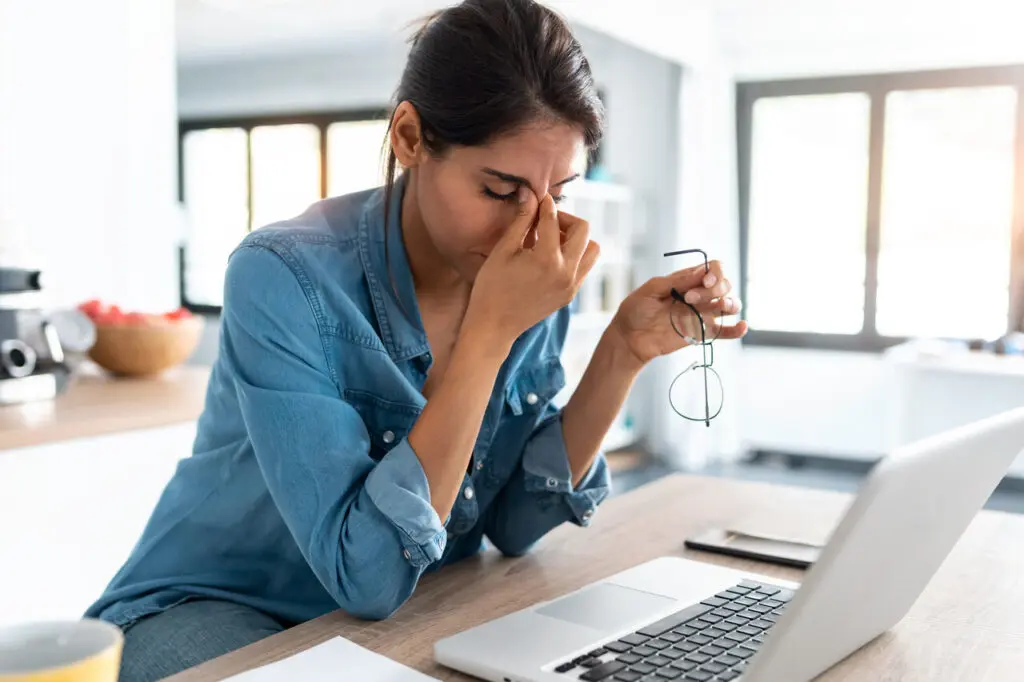
April is Stress Awareness Month. You’re probably aware that everyone experiences stress in some way. But this month is a specific reminder to pay attention to your stress. If you’re constantly feeling overwhelmed, burned out, or on edge, you may be experiencing long-term stress, which can have a negative impact on your health.
This blog post takes a look at stress to see what it does to your body, the difference between short-term and long-term stress, simple ways to reduce stress, and when to seek help.
What Can Stress Do to Your Body?
Stress is the natural reaction your body has when changes or challenges, also known as stressors, occur. When you experience stress, your body’s autonomic nervous system (ANS), which controls your heart rate, breathing, vision changes, and more, triggers your “fight-or-flight response.” Fight-or-flight is the body’s physiological and behavioral response to stress and it helps you face and adapt to stressors.
Chemically, when you encounter a stressor, your body releases the hormone adrenaline to get you ready for the fight-or-flight response, which is then managed by the hormone cortisol. What does that feel like?
Common Signs and Symptoms of Stress
Symptoms of stress can vary widely from person-to-person, but common stress symptoms typically include:
- Physical:
- Aches and pains.
- Elevated heart rate (feeling like your heart is racing) or chest pain.
- Exhaustion or trouble sleeping.
- Headaches, dizziness, or shakiness.
- High blood pressure.
- Muscle tension.
- Stomach or digestive problems.
- Mental/Emotional:
- Feeling overwhelmed.
- Irritability.
- Mood swings.
- Anger or sadness.
These reactions are not meant to last for a long time. They should trigger to help you manage your stressors, and then return to normal after the stress has been relieved. However, if you are experiencing continued stress, the hormones remain elevated and continue to drive stress responses, which can have negative effects on your long-term health.
Short-Term vs. Chronic Stress: What’s the Difference?
Short-Term (Acute) Stress
Short-term stress, also called acute stress, is triggered by immediate situations such as deadlines and events: a project is due at work or school, you’re waiting on good or bad news, you’re in a competition. These situations are temporary and often resolve quickly. Acute stress responses can even be beneficial by improving your focus or performance.
Chronic Stress
Chronic or long-term stress, on the other hand, is ongoing, persistent stress such as work pressure, financial strains, and health concerns. For example, rather than a work project being due, going to work itself may trigger a stress response and last all day. Paying an expensive bill can trigger a short-term stress response when you see a larger-than-expected total, but having to weigh what bills you can afford to pay every month can sustain the stress response over days, weeks, or months.
If your body is in a constant state of fight-or-flight, it can, in turn, put undue stress on your body. Effects include:
- Sleep disruption.
- Weakened immune system.
- Increased risk of physical and mental health conditions like high blood pressure and anxiety disorders.
Why This Distinction Matters
Acute stress is a normal, necessary reaction to stressors that resolves after a short period of time. Chronic stress is when health risks increase due to your body’s constant fight-or-flight response.
Recognizing the difference and the patterns that can emerge with chronic stress will help prevent long-term impact. In addition to the physical and mental/emotional symptoms above, chronic stress can also trigger behavioral changes, including:
- Changes in sleep or appetite.
- Difficulty focusing.
- Recurring nightmares.
- Nail biting.
Managing stress is important for your long-term health. There is a direct connection between chronic stress and worse heart health, immune system function, and mental health. Early intervention can lead to better health outcomes, and even healthy, consistent habits can make an impact.
5 Simple Ways to Reduce Stress Starting Today
1. Prioritize Movement
Walking, stretching, or light exercise all help to regulate stress hormones. Consider taking a walk or stretch break at lunch.
2. Improve Sleep Habits
Try to maintain a consistent sleep schedule. This is easier said than done, but try reducing screen time before bed, or eliminating caffeine 6-8 hours before bedtime.
3. Practice Mindfulness or Deep Breathing
Even 5 minutes to stop and breathe can help. Techniques like box breathing help regulate your autonomic nervous system and calm down your body’s fight-or-flight response.
4. Set Boundaries
Another tip that’s easier said than done is setting boundaries. Your time is precious, so try limiting overcommitments. This may mean bringing store-bought goodies to a cookout instead of making something homemade, or not bringing anything at all. It’s also okay to say “no” when needed – if the thought of attending the cookout is stressful itself, you don’t have to go!
5. Stay Connected
According to a recent study, “loneliness influences how people experience and respond to stressors.” Specifically, people with high levels of loneliness are more likely to experience everyday stressors and feel the emotional effects from those stressors for longer. Staying connected with friends, family, and other support systems is important for your health and can help you manage stress better or reduce the impact stress takes on your body.
When Does Stress Become a Health Concern?
As noted above, stress symptoms are common, but they should only last a short while. When they last for weeks or even months, they may have a negative impact on the body. If stress is leading to the below issues, it may be time to call a healthcare provider:
- Stress interferes with sleep, work performance, or relationships.
- Stress is causing physical symptoms to worsen over time.
- Stress is leading to an increased reliance on unhealthy coping habits.
How Primary Care Providers Can Help Manage Stress
Meeting with a primary care provider is a good rule of thumb for anyone with health concerns because they can provide regular care over time and monitor patients’ symptoms. Their priority is whole-person care – they don’t just treat symptoms when someone is sick, but address your physical, mental, behavioral, and social needs and how those contribute to your health.
Care providers can conduct a personalized evaluation of your symptoms to understand how they may be impacting you. They can also screen you for related conditions that may be caused by stress, or that stress may be contributing to, such as anxiety, depression, and sleep issues. Treatment options for stress may include personalized lifestyle recommendations, referrals for counseling or therapy, or medication when appropriate.
Get Support for Stress at Access Medical Clinic
At Access Medical Clinic, we offer convenient, compassionate, high-quality care to proactively manage your health and wellness. Your primary care provider serves as your healthcare partner to keep track of important changes in your health over time, and that includes stress.
If you feel overwhelmed, burned out, or experience persistent symptoms listed above, we encourage you to visit your closest Access Medical Clinic location. You can book an appointment ahead of time or walk in during clinic hours.
This Stress Awareness Month, take a moment to examine your body’s reaction to stressors. Do you have a short-term response for the duration of the stressful event or situation? Or do symptoms persist after the event has concluded or the situation has resolved? If you’re concerned about how stress is impacting your body and long-term health, our clinics are designed to make getting care simple – and stress-free.
FAQs
What are the most common symptoms of stress?
The most common symptoms of stress can be both physical and mental, including:
- Aches and pains.
- Elevated heart rate or chest pain.
- Exhaustion or trouble sleeping.
- Headaches, dizziness, or shakiness.
- High blood pressure.
- Muscle tension.
- Stomach or digestive problems.
- Feeling overwhelmed.
- Irritability.
- Mood swings.
- Anger or sadness.
How do I know if my stress is serious?
If stress is impacting your physical, mental, and behavioral health over weeks and months or continues to worsen over time, you may have chronic stress. A healthcare provider can help determine the severity of symptoms.
What is the difference between stress and anxiety?
Stress and anxiety are very similar: they both cause emotional responses and can lead to symptoms such as insomnia, fatigue, and irritability. However, stress is typically caused by an external trigger. Anxiety, on the other hand, is caused by persistent, excessive worries that don’t go away even without a stressor.
Can stress cause physical health problems?
Yes, stress can cause physical symptoms such as aches and pains, headaches, and digestive problems. Chronic stress can also contribute to health problems such as high blood pressure, a weakened immune system, and mental health disorders.
What are quick ways to reduce stress immediately?
Several quick ways to help relieve stress include physical activity such as a walk or stretching, practicing deep breathing techniques like box breathing, and maintaining a consistent sleep schedule.
When should I see a doctor for stress?
We recommend seeing a healthcare provider for stress if you feel overwhelmed, burned out, or experience persistent symptoms that are having a negative impact on your physical and emotional health.
Can a primary care doctor help with stress management?
Yes, primary care providers can help with stress management by evaluating your current symptoms and creating a personalized treatment plan.
How does chronic stress affect long-term health?
Continued stress causes your body’s autonomic nervous system (ANS) to be elevated, meaning your heart rate, breathing, and other systems are stuck in fight-or-flight mode. This taxes your body and can weaken your immune system, worsen mental health disorders, and more.